Call 480-766-0025

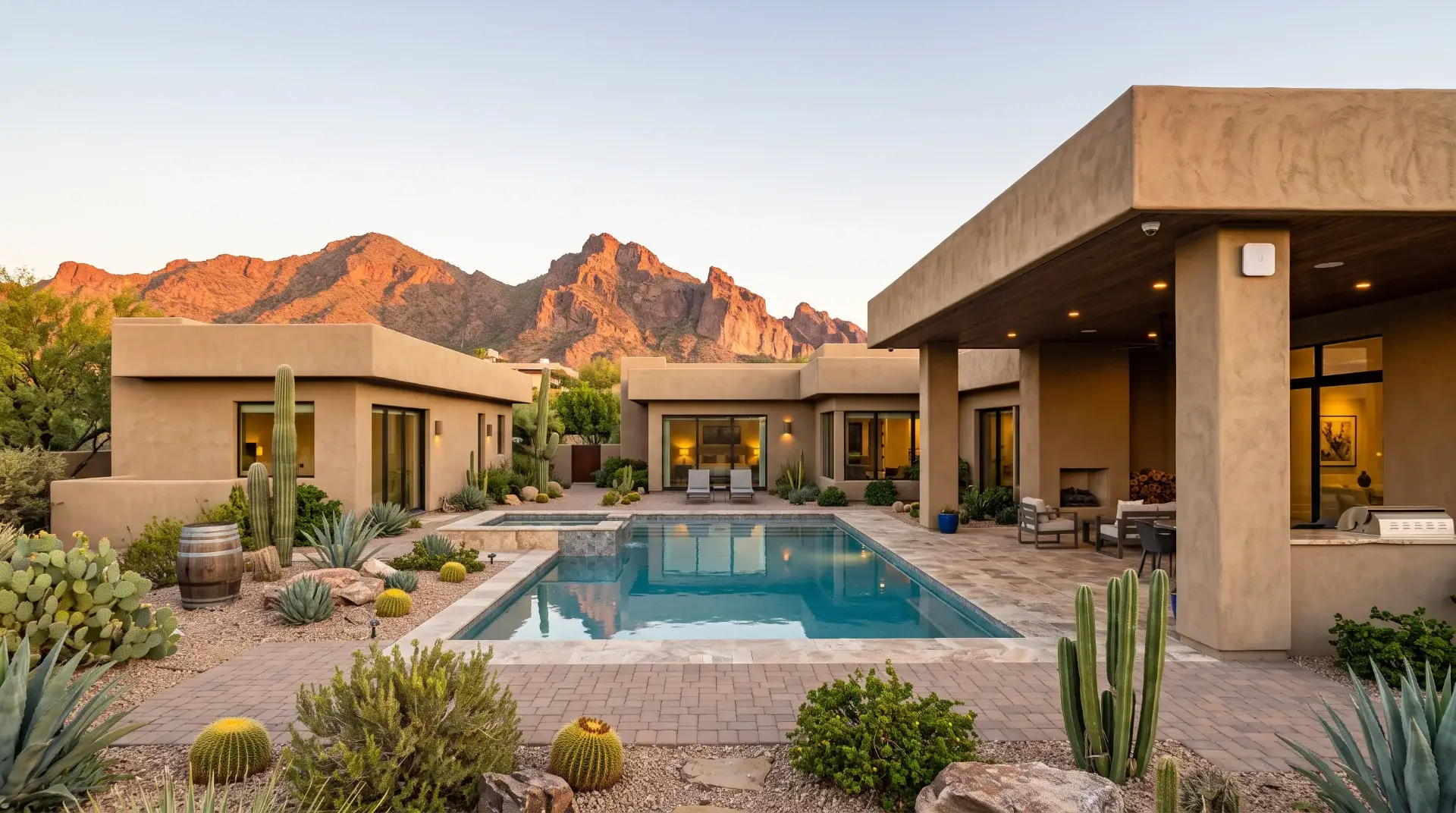
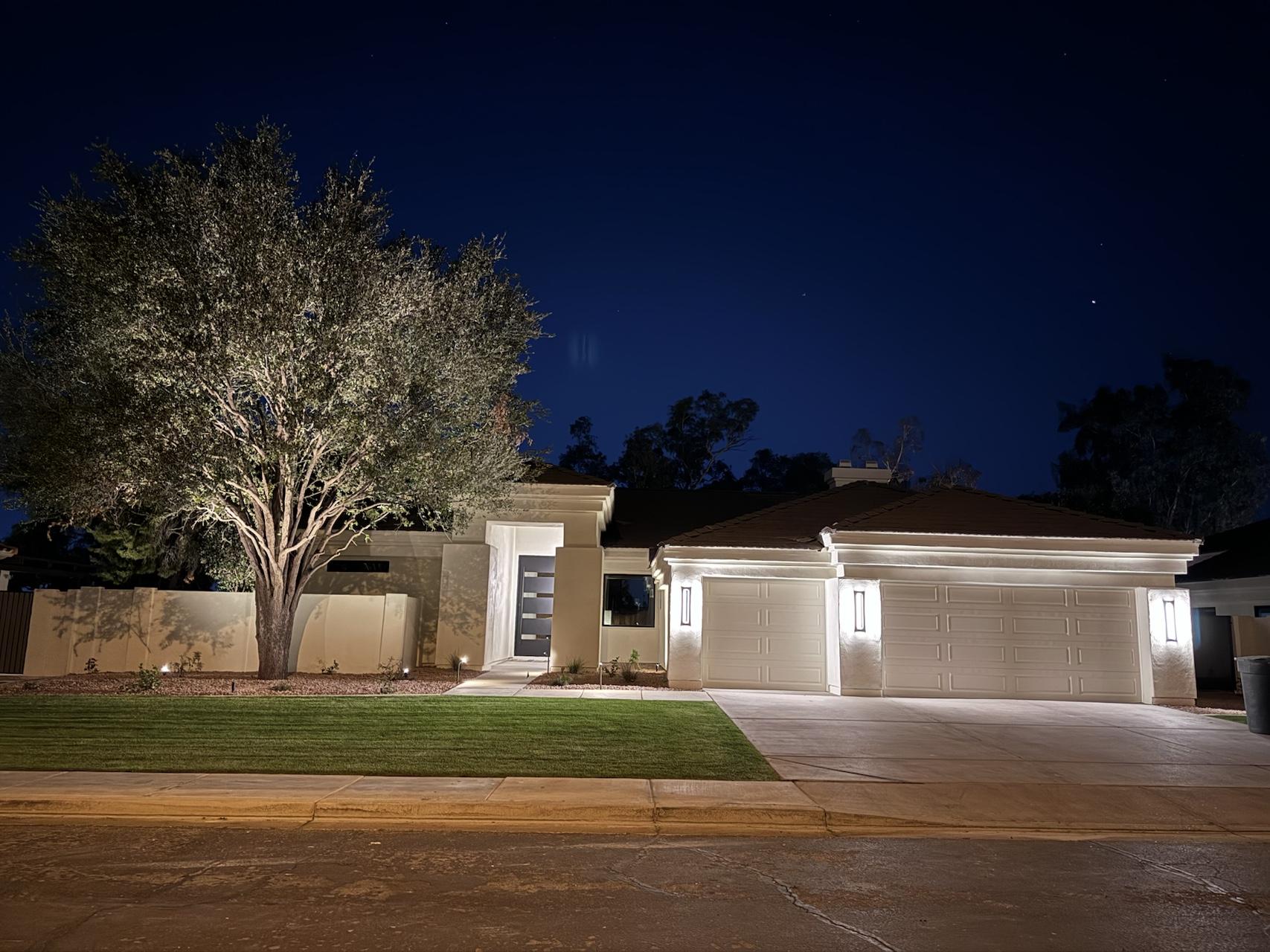
Phoenix custom home at dusk with integrated landscape lighting designed and installed by Planet Geek
HTA Design Partner · Home Technology Design

Technology That Is Designed In, Not Bolted On.

Planet Geek is an HTA Certified Luxury integrator and an HTA Design Partner, which means we join the design team early and hand architects, interior designers and builders the drawings they need: device placement, rack layouts, electrical and cooling loads, prewire, framing, Wi-Fi coverage and shade pockets. Every system is coordinated before anyone picks up a hammer.

  • Full design & engineering documentation for new builds and remodels
  • Collaboration guidelines published by the Home Technology Association
  • One point of contact, 24-hour RFI response, no sales pitches in design meetings

4.9★★★★★208 Google Reviews
ROC#357379 · Alarm Lic. #27005
HTA Design Partner designation from the Home Technology Association
The Designation

What an HTA Design Partner Is.

Only a small percentage of home technology integrators produce design and engineering documentation, and fewer still offer a true consultation phase. The Home Technology Association created the HTA Design Partner designation to identify the firms that do, so architects, interior designers and builders can find a technology partner that works the way the rest of the design team works.

  • Certified first. The designation is only open to integrators that have already earned HTA Certification through third-party vetting of technical skill, references, business health and aftercare.
  • Guidelines, not a logo. Design Partners commit to eleven published guidelines covering documentation, contracts, project management, collaboration, communication and ethics.
  • Built with the trades. The guidelines were written with input from architects, interior designers and general contractors, not just integrators.
Read the HTA Design Partner guidelines ›

Design & Engineering Documentation

The Drawings Your Team Actually Needs.

These are the eight documentation sets an HTA Design Partner must be able to deliver. We produce them for every full-home project and share them on the platform your team already uses, with every affected party notified when a revision is issued.

Device Placement Drawings

Speaker, TV and screen locations, keypads and touchscreens, thermostats and sensors, cameras and doorbells, access control, shade locations, racks and head-end, and integrator-supplied lighting fixtures. The basis for coordination with every other trade.

Equipment Rack Drawings

Elevation and footprint for every rack and panel, so the architect and builder can allocate real space with real clearances instead of a closet that turns out to be six inches too shallow.

Electrical Requirements

Power loads, outlet locations, dedicated circuits and grounding for lighting control, AV, motorized shades, displays, projectors, lifts and the network. Handed to the electrician before rough-in.

Cooling Requirements

BTU calculations for equipment rooms, closets and any enclosed space holding electronics, plus air-handling volume and noise criteria for dedicated theaters, shared with the HVAC contractor.

Prewire Plan

Every cable for every system we install, plus communication wiring to systems we may not, including alarm, climate, pool and spa, gate controls and battery backup, and the conduits that keep the house future-proof.

Framing Requirements

Blocking for TV mounts and recesses, speaker and subwoofer openings, motorized screens and lifts, low-voltage back boxes and anything else the framer needs to build in before drywall.

Wi-Fi Heat Maps

Predictive coverage modeling on the floor plan to set access point count and placement for strong, even Wi-Fi through block, stucco and foam-insulated Arizona construction.

Shade Pocket Requirements

Pocket dimensions, fascia, power and control paths for motorized interior and exterior shades, coordinated with the window schedule and the interior designer's fabric selections.

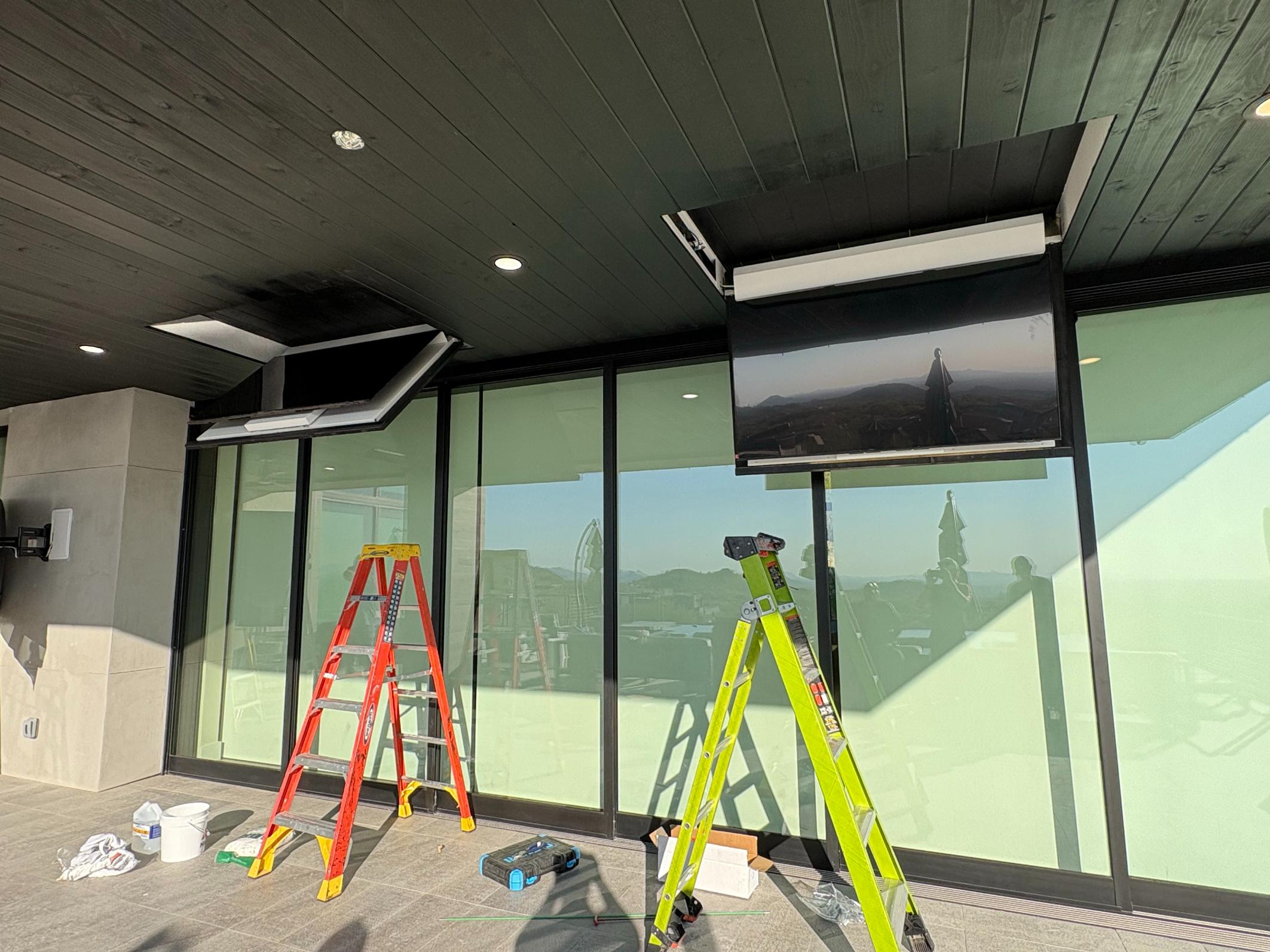
Planet Geek technicians installing displays and speakers during construction of a Phoenix custom home
Who We Design For

Architects, Designers, Builders and the Homeowner.

Each member of the team needs something different from the technology integrator. We deliver all of it from one firm, in writing, early.

  • Architects get device placement, rack space, framing and conduit on the plans during design development, not as a field change.
  • Interior designers get a collaborator on everything visible: speaker apertures that match the lighting grid, keypad finishes, hidden displays, shade fabrics and flush-mounted controls.
  • Builders and GCs get a prewire plan, an electrical and cooling package for their subs, a named contact for every question and a 24-hour RFI commitment.
  • Homeowners get a technology plan that fits the house and the budget, a written scope, and a hand-off meeting where every system is explained before we leave.
How We Work

Design. Deploy. Maintain.

The same three stages on every project, whether it is a 3,500 square foot remodel in Chandler or a ground-up estate in Paradise Valley.

01 · Consult & Budget

We review the plans, interview the homeowner about how they actually live, and establish a realistic budget range using the HTA budget tool as a neutral starting point. Education, not a pitch.

02 · Design & Document

We produce the full documentation set, walk it with the architect, designer and builder, and issue it to every affected trade: electrician, HVAC, framer, pool, landscape, millwork. Revisions are shared, not emailed into the void.

03 · Build, Install & Hand Off

Prewire at rough-in, trim and equipment at finish, programming and tuning before move-in, then a hand-off meeting with the family and an aftercare plan in writing.

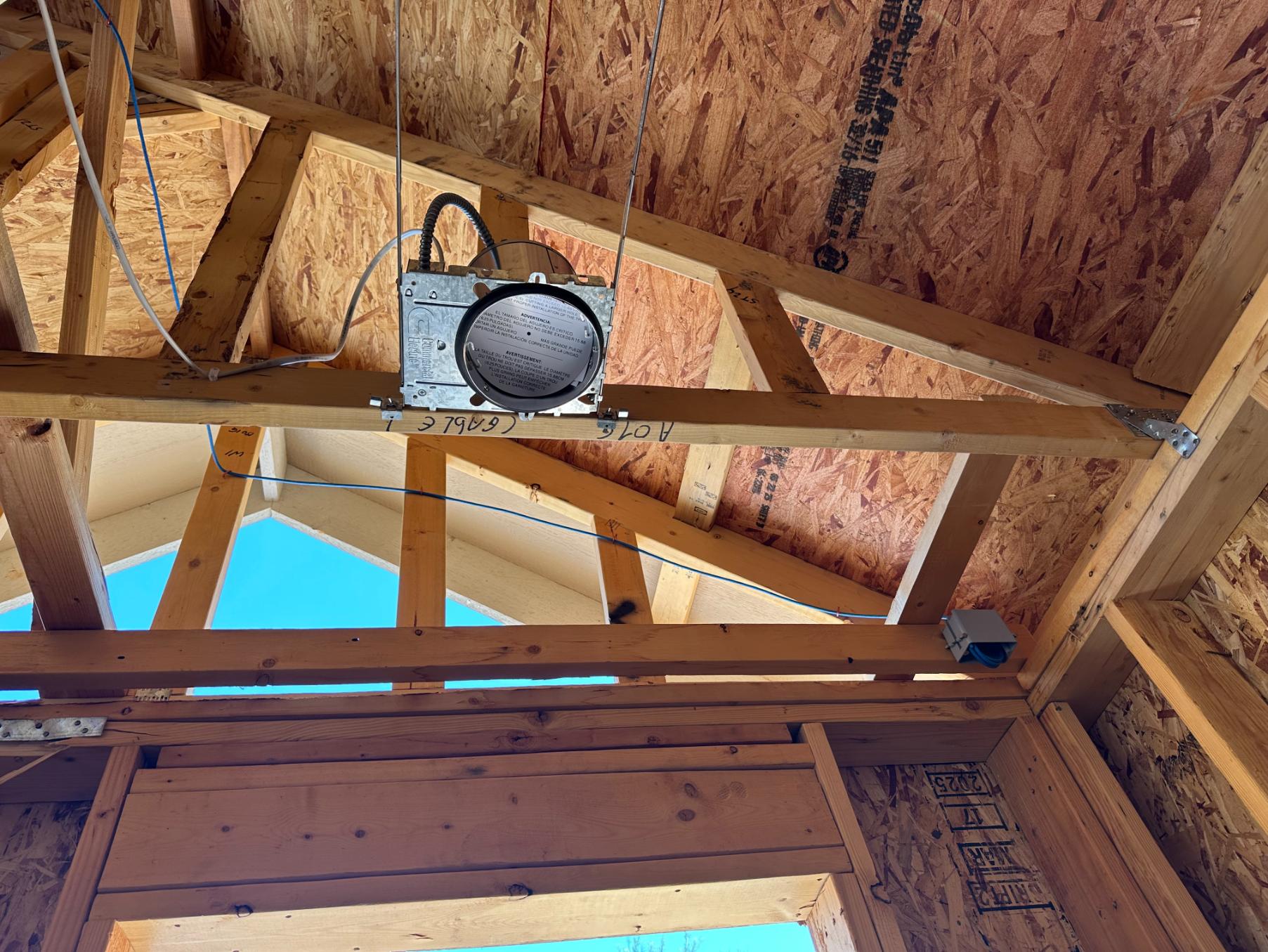
Speaker rough-in and low-voltage prewire during framing of a Phoenix home
Our Commitments

What the Design Team Can Hold Us To.

  • Written contract first. Scope, products, services and payment terms are signed before work begins.
  • Named project contacts. You get a written list of who on our team handles what, before the first RFI.
  • 24-hour RFI response on business days, with an acknowledgement and regular follow-up when an answer depends on a vendor.
  • Proactive trade communication. We share documentation with every trade our systems affect, before they need it.
  • No sales pitches. Design meetings stay focused on the client's options and needs.
  • Transparent relationships. Any compensation to a referring architect, designer or builder is disclosed to the homeowner.
  • Your reputation protected. Project issues are handled with the trade partner directly, never in front of the client.
Prewire & Infrastructure

The Part Nobody Sees Is the Part That Matters Most.

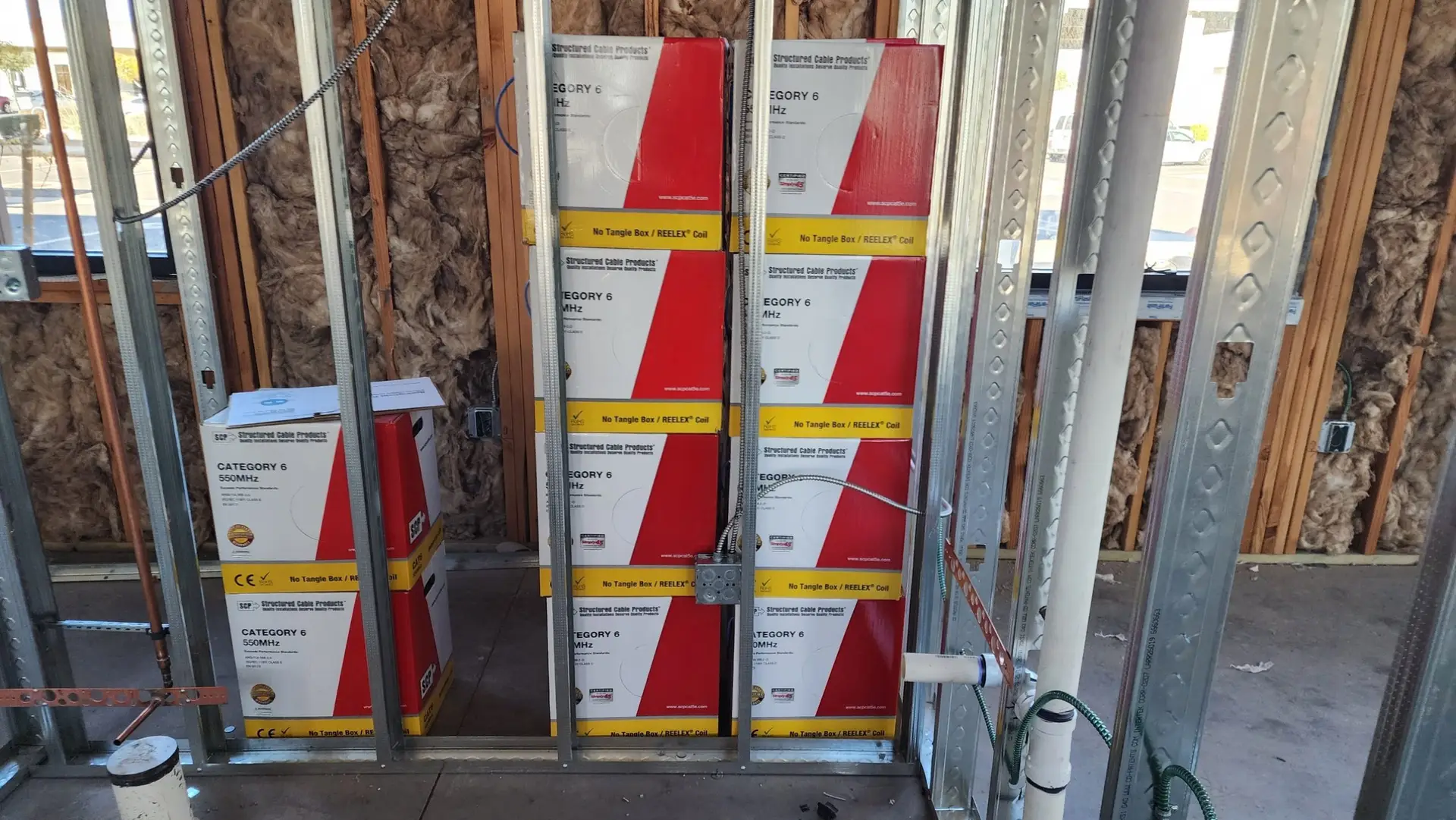
A great technology design fails at rough-in if the wire is wrong, the conduit is missing or the rack room cannot be cooled. Planet Geek is a licensed low-voltage contractor (ROC #357379), so the same firm that draws the plan pulls the cable and owns the result.

  • Category 6/6A, fiber, coax, speaker, control and lighting-control wiring to a single documented standard
  • Conduit to the roof, exterior walls, outbuildings and future locations, sized for what the house will need in ten years
  • Dedicated circuits, surge protection and battery backup specified with the electrician, not after
  • Rack rooms sized, cooled and ventilated from the BTU calculation, not a guess
Low-voltage wiring in Arizona ›

Category 6 cable boxes staged at a Planet Geek residential prewire in Phoenix
Systems We Design

One Design, Every System.

Because we install everything on this list, the design is coordinated across systems instead of handed off between vendors.

SystemWhat gets designedWho it is coordinated with
Home automation & controlKeypad and touchscreen locations, scenes, finishes, flush-mount detailsInterior designer, electrician
Lighting & lighting controlFixture schedule, control panels, loads, tunable and dim-to-warm zonesArchitect, lighting designer, electrician
Motorized shadesPocket dimensions, power and control paths, fabric and fasciaInterior designer, framer, window supplier
Home theater & media roomsRoom layout, sightlines, acoustics, seating risers, cooling and air handlingArchitect, HVAC, framer, seating vendor
Whole-home & outdoor audioSpeaker placement against the lighting grid, invisible and small-aperture options, landscape zonesInterior designer, landscape architect
Network & Wi-FiHeat map, access point count, rack and head-end, conduit to outbuildingsArchitect, builder, electrician
Security, cameras & access controlCamera fields of view, doorbell and intercom, gate and door hardware, panel locationBuilder, electrician, gate contractor
Landscape lightingFixture layout, transformer locations, control integrationLandscape architect, pool contractor
FAQ

Technology Design Questions, Answered.

When should a technology integrator be brought into a new build or remodel?

Before framing, and ideally during schematic design. Speaker locations, rack space, dedicated circuits, shade pockets and conduit paths all need to be on the plans before other trades build around them. Bringing the integrator in after drywall is where change orders and compromises come from.

What is an HTA Design Partner?

A professional designation from the Home Technology Association, available only to HTA Certified integrators, that identifies design-centric firms. Design Partners commit to a published set of guidelines covering design documentation, written contracts, named project contacts, 24-hour RFI response, proactive coordination with every affected trade and transparent referral relationships.

Do you charge for technology design and documentation?

The initial consultation and budget conversation are free. Full design and engineering documentation is a paid phase of service, scoped to the project, and is typically credited back when Planet Geek completes the installation. We tell you what it costs before any drawings are produced.

Can you work with an architect or designer we have already hired?

Yes. That is the point of the Design Partner program. We work inside your existing team, share documentation on the platform the team already uses, and coordinate directly with the architect, interior designer, builder, electrician, HVAC contractor and anyone else our systems touch.

Do you only design the systems you install?

We design for the whole house. The prewire plan covers every system we install plus the communication wiring for systems we may not, such as alarm, climate, pool and spa, gate controls and battery backup, so nothing is stranded without a path later.

Are you paying referral fees to architects, designers or builders?

Any financial relationship with a referring design or build professional is disclosed to the homeowner. HTA Design Partners are referred on professionalism and results, not concealed arrangements.

Free & Independent

Not sure what this should cost?

Get a realistic budget range in 2 minutes with the HTA Budget Calculator. No sales call required, and the number comes from the Home Technology Association, not from us.

Build My Budget

Planet Geek is an HTA Certified Luxury integrator.

Start a Technology Design

Send Us the Plans.

Homeowners, architects, designers and builders all start the same way: tell us about the project and we will come back with a scope, a budget range and the list of items that need to be on the drawings before framing.

  1. Tell us about the projectNew build or remodel, square footage, stage of design, and the systems you are considering.
  2. Plan review & consultationWe review the architectural set, meet the homeowner and the design team, and establish a budget range.
  3. Design & documentationDevice placement, racks, electrical, cooling, prewire, framing, Wi-Fi and shade pockets, issued to every trade.
★★★★★ 4.9 on Google · 208 reviews

Prefer to talk? Call (480) 766-0025.

HTA Certified Luxury · HTA Design Partner

Bring Us In Before the Drywall.

Automation, lighting, shades, audio, theater, network, security and access control, designed as one coordinated system and installed by the same licensed Chandler, AZ team that drew it.

HTA Certified Luxury · HTA Design Partner · ROC Licensed #357379 · Alarm License #27005 · Serving Phoenix Metro Since 2017